Can I Sue for Robocalls in Texas? An In-Depth Analysis
Introduction
In the era of advanced communication technologies, robocalls have become a pervasive nuisance across the United States. Texas, with its large population and dynamic telecommunication landscape, is particularly affected by these automated phone calls. This article delves into the legal avenues available to Texans who are plagued by unwanted robocalls, providing a comprehensive understanding of their rights and the mechanisms in place to combat this invasive form of telemarketing.
Understanding Can I Sue for Robocalls in Texas?
"Can I sue for robocalls in Texas?" is a question that has gained significant traction as residents seek to protect their privacy and prevent harassment. A robocall, defined as a pre-recorded phone message delivered using auto-dialing technology, often serves for telemarketing, political campaigns, or scams. Understanding the legalities of suing for such calls involves recognizing the Telephone Consumer Protection Act (TCPA), state laws like the Texas Public Utilities Commission (TPUC) rules, and the role of the Federal Communications Commission (FCC). These regulations provide a framework for what constitutes illegal robocalls and the remedies available to victims.
Global Impact and Trends
The impact of robocalls extends beyond Texas and affects consumers worldwide. The rise in global mobile phone usage has made it easier for scammers and telemarketers to reach potential targets. In response, countries are enacting stricter regulations and developing new technologies to filter out illegal calls. For instance, the European Union's General Data Protection Regulation (GDPR) provides individuals with enhanced privacy rights. The trends show a growing need for international cooperation to address this global issue, with the United States and other countries working towards more robust protections for their citizens.
Economic Considerations
The economic implications of robocalls are multifaceted. On one hand, legitimate businesses use robocalls responsibly as a cost-effective method of communication. On the other hand, the proliferation of illegal robocalls results in substantial losses for consumers and businesses alike, due to fraud, wasted time, and decreased trust in legitimate communications. The telecommunication industry invests heavily in developing technologies to combat robocalls, influencing market dynamics and economic systems by driving innovation and competition.
Technological Advancements
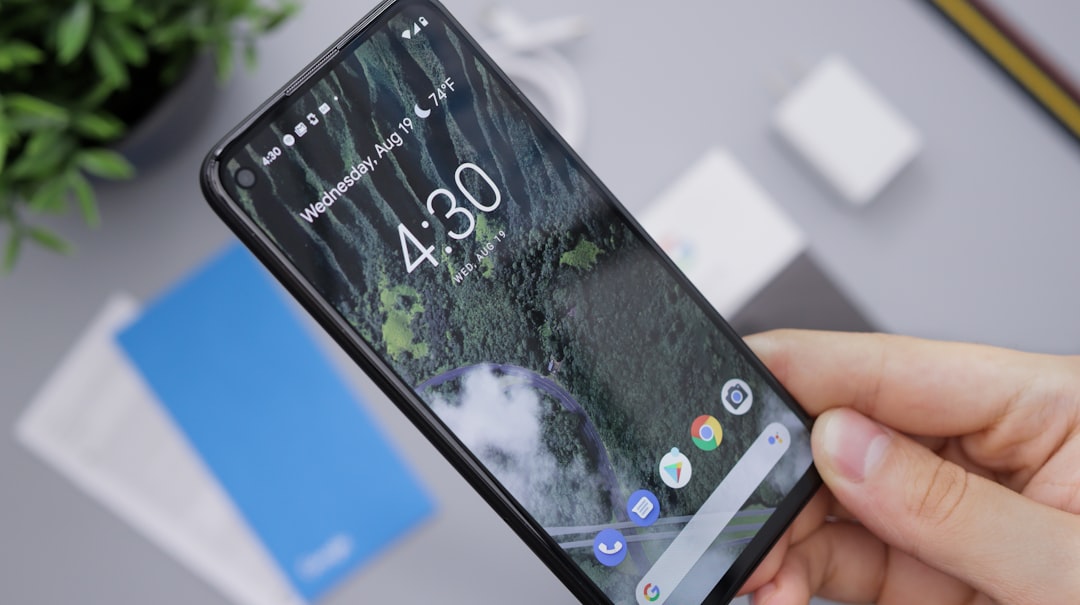
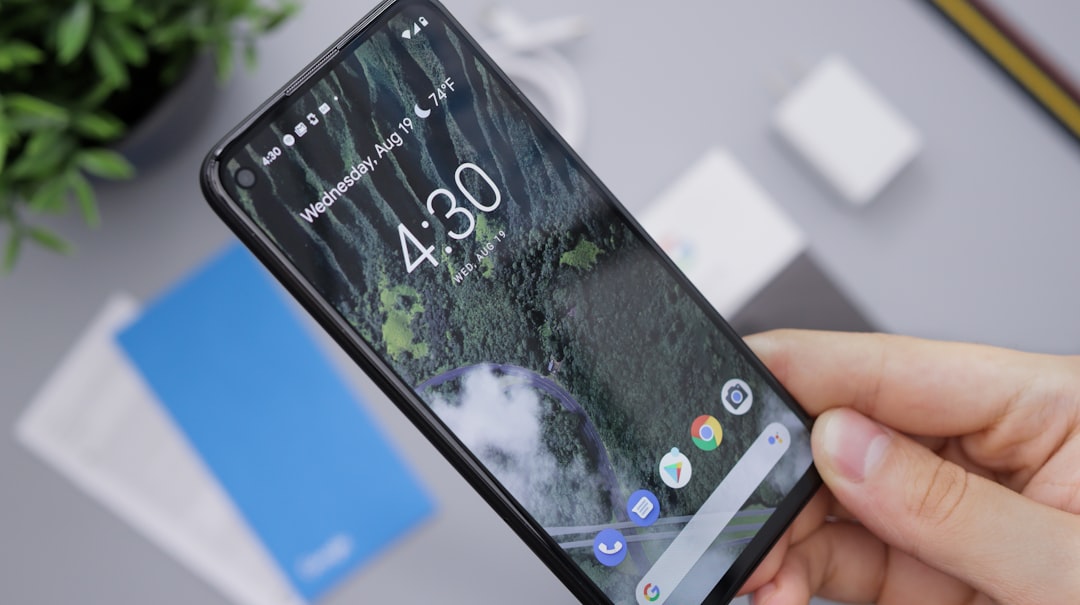
Technology plays a pivotal role in the fight against illegal robocalls. Innovations such as caller ID verification, call-blocking apps, and AI-driven detection algorithms have significantly reduced the effectiveness of robocalls. Future advancements are expected to further enhance call authentication and verification standards, potentially leading to a decline in unauthorized robocalls. The continuous technological arms race between scammers and protective measures underscores the importance of staying ahead in this digital cat-and-mouse game.
Policy and Regulation
The regulatory landscape for robocalls is complex, with a patchwork of federal and state laws. At the federal level, the TCPA provides a basis for civil lawsuits against violators, allowing consumers to seek damages. Texas, specifically, has its own set of rules, including the Do Not Call Act, which complements federal regulations. These policies aim to protect consumer rights while balancing the interests of legitimate businesses that use robocalls responsibly.
Challenges and Criticisms
Despite the legal framework in place, challenges persist. One major issue is the sophistication of scammers who continuously adapt to new regulations, often operating from outside the country where laws may be less stringent. Another challenge is the burden placed on consumers to report illegal robocalls and to educate themselves about their rights. Criticisms also arise regarding the effectiveness of existing laws and the need for more comprehensive solutions to address the root causes of robocall abuse.
Case Studies
Several case studies illustrate the successful application of legal measures against robocalls. For example, in 2019, a Texas man was awarded $75,000 after filing a lawsuit under the TCPA for receiving unwanted robocalls. These cases not only provide financial relief to victims but also serve as deterrents to would-be violators. The lessons learned from these cases emphasize the importance of legal action and consumer vigilance.
Future Prospects
The future of combating robocalls in Texas and across the nation looks promising, with ongoing efforts to enhance protection measures and to prosecute offenders more effectively. Advancements in call-blocking technologies, along with improved collaboration between telecom companies, regulators, and law enforcement agencies, are expected to significantly reduce the incidence of illegal robocalls. Additionally, consumer education remains a critical component in this ongoing battle.
Conclusion
In conclusion, Texans have both legal recourse and practical tools at their disposal to address the issue of unwanted robocalls. The combination of federal and state regulations, coupled with technological advancements, provides a comprehensive defense against these invasive calls. As the fight against illegal robocalls continues, it is clear that through vigilance, legal action, and innovation, consumers can regain control over their phone lines and personal information.
FAQs:
-
Can I sue if I receive a robocall in Texas?
Yes, under the Telephone Consumer Protection Act (TCPA) and Texas state laws, you may have the right to seek compensation if you receive an illegal robocall.
-
What damages can I recover from a robocall violation?
You may be entitled to actual monetary losses, statutory damages up to $500 or $1,500 per violation (depending on the call's nature), and attorney fees.
-
How do I report an illegal robocall in Texas?
You can file a complaint with the Federal Communications Commission (FCC) or the Texas Attorney General's Office, and it is advisable to document the calls for evidence.
-
What technologies can help block robocalls?
Caller ID verification, call-blocking apps, and AI-driven detection algorithms are effective tools against unwanted robocalls. Your phone service provider may also offer built-in or add-on features to protect you from robocalls.
-
Should I answer the phone if I don't recognize the number?
It is generally advisable not to answer the phone if the number is unknown, especially if you suspect it could be a robocall. Letting it go to voicemail can help you avoid engagement with scammers and can provide evidence if you decide to report the call.
January 17, 2026
Can I Sue For Robocalls Texas Expert
Robocalls are a growing problem in Texas, driven by illegal telemarketing and scams. The Telephone Consumer Protection Act (TCPA) of 1992 offers protections, with businesses requiring consent for automated calls. Texans can combat robocalls using blocking apps, caller ID filters, and reporting suspi.......
Read more →
January 17, 2026
Can I Sue For Robocalls Texas Expert
Texas faces a robust yet problematic robocall landscape, driven by political campaigns, telemarketing, and debt collection. The Federal Communications Commission (FCC)'s Telephone Consumer Protection Act (TCPA) regulates these calls, balancing business marketing with consumer privacy. Despite r.......
Read more →
January 17, 2026
Can I Sue For Robocalls Texas Expert
Robocalls are a significant issue in Texas, prompting the implementation of the Telephone Consumer Protection Act (TCPA). A lawyer for TCPA Texas helps businesses navigate regulations, avoid penalties, and implement compliant marketing strategies. Consumers can register on the National Do Not Call R.......
Read more →
January 17, 2026
Can I Sue For Robocalls Texas Expert
In Texas, consumers have robust rights against robocalls under state and federal laws. Key actions include registering on the National Do Not Call Registry, documenting call details, and consulting legal experts. Suing for robocalls is possible under the Telephone Consumer Protection Act (TCPA) and.......
Read more →
January 17, 2026
Can I Sue For Robocalls Texas Expert
In Austin and Texas, robocalls are a prevalent issue with legal implications due to state Spam Call laws. Ignoring calls may not stop them; documenting and blocking numbers offer limited relief. A Spam Call law firm Texas advises on handling persistent calls and formal complaint procedures. Effectiv.......
Read more →
January 17, 2026
Can I Sue For Robocalls Texas Expert
Ignoring robocalls in Austin, Texas, can lead to legal violations due to strict state spam call laws, with fines up to $500 per day. To protect against unwanted calls and associated threats like identity theft and phishing, individuals and businesses should register for Do Not Call lists, use filter.......
Read more →
January 17, 2026
Can I Sue For Robocalls Texas Expert
Texas faces a severe robocall crisis due to automated telemarketing campaigns using VoIP technology. Spam call lawyers Texas advocate for stricter laws and educate the public on their rights under TCPA and UDPA. They navigate complex legislation, offer business guidance, and assist consumers in liti.......
Read more →
January 17, 2026
Can I Sue For Robocalls Texas Expert
Unwanted phone calls, particularly robocalls, are a significant issue in Dallas and Texas. The Telephone Consumer Protection Act (TCPA) restricts automated calls without consent, with Texas offering enhanced protection. Individuals can sue for damages using automatic dialing systems or prerecorded m.......
Read more →
January 17, 2026
Can I Sue For Robocalls Texas Expert
Texans face a deluge of unwanted robocalls (40 billion annually), prompting action under the Telephone Consumer Protection Act (TCPA). Solutions include machine learning algorithms, AI-driven call protection, and legal counsel from lawyers for TCPA Texas. Advanced technologies identify and block cal.......
Read more →
January 17, 2026
Can I Sue For Robocalls Texas Expert
Dallas grapples with a burgeoning robocall crisis, disrupting communications and damaging businesses' relationships with customers. Spam call lawyers Texas specialize in combating automated telemarketing violations, advocating for stricter regulations like the TCPA. Businesses can mitigate issu.......
Read more →