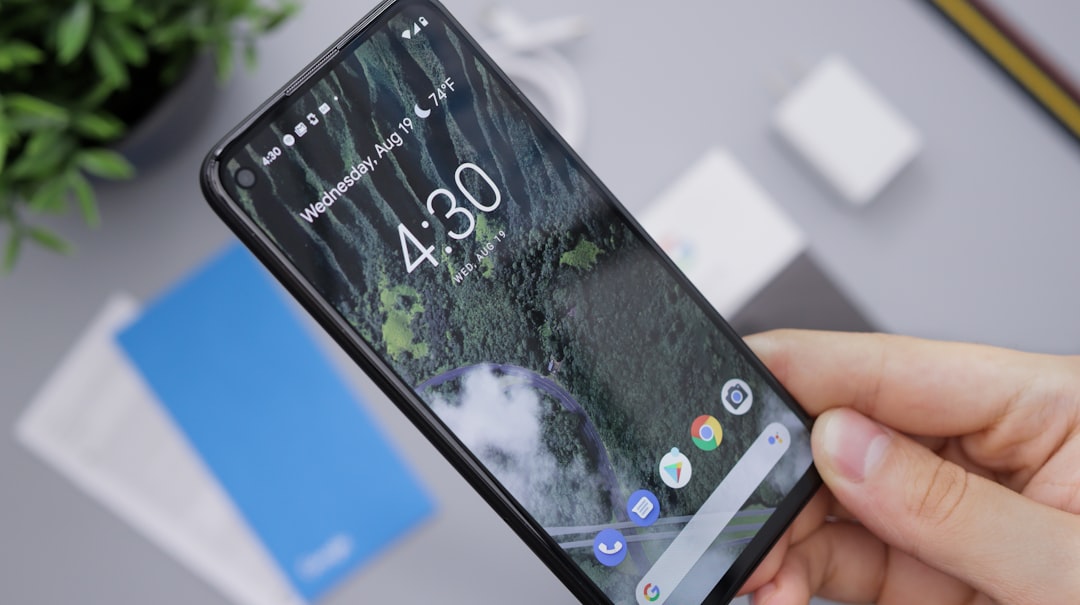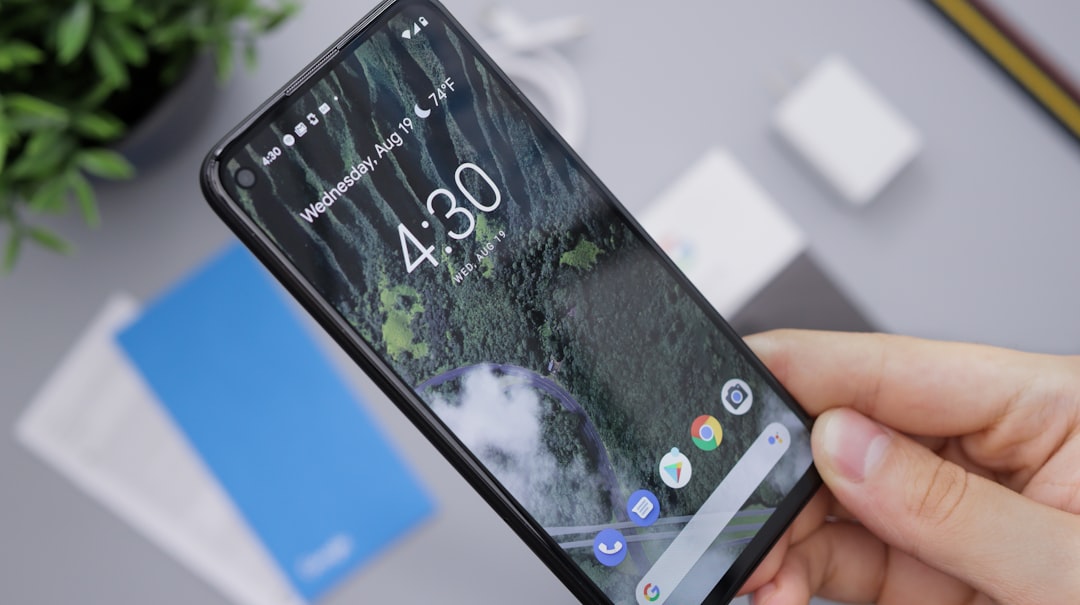
Texans face a deluge of unwanted robocalls (40 billion annually), prompting action under the Telephone Consumer Protection Act (TCPA). Solutions include machine learning algorithms, AI-driven call protection, and legal counsel from lawyers for TCPA Texas. Advanced technologies identify and block calls, but must evolve to keep pace with robocaller tactics. Collaboration between industry, regulators, and legal experts is crucial. Lawyers assist consumers with rights, complaints, and legal action against violators, combining tech and law for control over communication channels.
In the digital age, robocalls have become a ubiquitous nuisance, particularly in Texas, where residents face an alarming influx of automated phone calls daily. This intrusive practice not only disrupts daily life but also raises significant legal concerns under the Telephone Consumer Protection Act (TCPA). As technology advances, so too does the sophistication of these calls, making traditional blocking methods inadequate. However, hope lies in innovative tech solutions designed to combat robocalls head-on. This article delves into the evolving technological landscape, exploring how cutting-edge tools and strategies are empowering Texans, with guidance from legal experts, to reclaim their phone lines and protect their privacy—a crucial step forward for both residents and a sought-after service by lawyers specializing in TCPA Texas regulations.
Understanding Robocalls: The Texas Challenge
Robocalls have become a pervasive and persistent nuisance for Texans, with an estimated 150 million unwanted calls made daily across the state. This surge in automated telephone marketing has led to increased consumer frustration and confusion, particularly regarding compliance with Texas law. The Texas Challenge, as it’s known, involves navigating complex regulations like the Telephone Consumer Protection Act (TCPA), which restricts the use of automated calling systems without prior consent. However, despite these legal safeguards, robocalls continue to proliferate due to evolving technologies that allow call centers to bypass traditional verification methods and target consumers with impunity.
One of the primary challenges in combating robocalls is identifying legitimate calls from fraudulent ones. Advanced call routing algorithms can now seamlessly disguise the origin of a call, making it difficult for consumers to distinguish between sales pitches and scams. Moreover, the use of AI-driven voice synthesis technology has enabled scammers to create remarkably human-sounding recordings, further complicating efforts to block these calls. Legal experts, such as experienced TCPA lawyers in Texas, emphasize the need for proactive measures. They advise consumers to remain vigilant, review call records diligently, and seek legal counsel if they suspect a violation of their privacy rights under the TCPA.
To counter this growing threat, technology companies are leveraging innovative solutions. Machine learning algorithms are being trained to recognize patterns indicative of robocalls, enabling real-time blocking and filtering. Some phone service providers offer advanced call protection features that use AI to analyze caller behavior and predict whether a call is likely to be unwanted or fraudulent. While these technological advancements hold promise, they also necessitate ongoing adaptation and refinement to keep pace with the evolving strategies employed by robocallers. Collaboration between industry stakeholders, regulatory bodies, and legal professionals is crucial to establishing robust defenses against this pervasive issue in Texas and beyond.
Technology Solutions: Stopping Unwanted Calls

The onslaught of robocalls has become a ubiquitous nuisance for Texans, with an estimated 40 billion automated calls inundating residents each year, according to recent studies. This relentless spamming not only disrupts daily life but also poses significant challenges in terms of privacy and consumer protection. Fortunately, technology is evolving as a powerful tool to combat this growing issue, offering innovative solutions to curb unwanted calls and empower consumers. One such solution involves sophisticated call blocking and filtering systems that employ advanced algorithms and machine learning to identify and block robocalls before they reach the caller’s phone.
These cutting-edge technologies analyze various call characteristics, including caller ID, call patterns, and voice signatures, to accurately distinguish between legitimate calls and automated spam. For instance, some call blocking apps use neural networks to train their systems over time, becoming increasingly effective at identifying new robocall tactics. This adaptive nature ensures that as robocallers continually refine their methods, the technology remains one step ahead. Furthermore, many solutions integrate with existing home or business phone systems, providing a seamless and comprehensive defense against unwanted calls.
Seeking legal counsel from an expert in the Telephone Consumer Protection Act (TCPA) Texas is another strategic approach to combating robocalls effectively. Lawyers specializing in TCPA law can guide individuals and businesses on best practices for protecting their rights and utilizing available tools. They can also assist in drafting effective do-not-call lists, ensuring compliance with federal regulations, and taking legal action against persistent violators. By combining cutting-edge technology solutions with expert legal advice, Texans have powerful resources at their disposal to reclaim control of their phone lines and protect their privacy in the digital age.
Legal Framework: TCPA Texas & Its Role
The evolution of technology has brought about a significant rise in robocalls, leading to widespread frustration among Texas residents. In response, the legal framework surrounding these automated calls has become increasingly crucial, particularly with the Telephone Consumer Protection Act (TCPA) in Texas. This federal law, enforced by the Federal Communications Commission (FCC), grants consumers powerful tools to combat unwanted robocalls. A lawyer for TCPA Texas can provide expert guidance on navigating this complex legislation, ensuring businesses adhere to the rules while empowering individuals to take action against intrusive calls.
The TCPA establishes strict regulations on automated telemarketing calls, allowing Texans to file complaints and seek legal recourse for violations. One of its key provisions prohibits prerecorded or artificial voice messages from being sent to any telephone without prior express consent. This has significantly impacted the robocall industry, forcing operators to obtain explicit permission before making such calls. For instance, a Texas court recently ruled in favor of a consumer who received numerous unwanted sales calls, emphasizing the enforceability of TCPA provisions. As a result, many call centers have had to overhaul their marketing strategies, prioritizing personalized communication over automated campaigns.
Furthermore, the law empowers individuals to seek damages for each violation, including actual monetary losses and up to $500 in statutory damages per call. This financial disincentive has prompted companies to be more vigilant about obtaining proper consent and implementing robust do-not-call lists. A lawyer specializing in TCPA Texas can assist consumers in understanding their rights, filing complaints effectively, and pursuing legal action when necessary. By holding violators accountable, these measures are revolutionizing the way robocalls are conducted, offering Texans a greater sense of control over their communication channels.
Effective Strategies: A Lawyer's Guide to Combat
Technology’s role in combating robocalls has evolved significantly, especially with the Telephone Consumer Protection Act (TCPA) in Texas. Lawyers specializing in TCPA Texas have a crucial task ahead—to stay informed about these advancements and employ effective strategies against intrusive automated calls. One of the most promising developments is advanced call-blocking technologies that use machine learning algorithms to identify and filter out robocalls at the network level, before they even reach the user’s device. This approach has shown remarkable accuracy in detecting new and emerging robocall patterns.
Additionally, lawyers can leverage dynamic number blocking, a technique where phone numbers are temporarily blocked based on call patterns and historical data. For instance, if a specific area or range of numbers consistently engages in high volumes of automated calls, dynamic blocking can be applied to curb such activities. This method not only protects consumers but also aids in identifying pattern-based robocall operations. Another powerful strategy is the integration of real-time call analytics and threat intelligence platforms that provide insights into call sources and content, enabling lawyers to target specific entities or campaign types more effectively.
Furthermore, educating consumers about TCPA rights and providing clear opt-out mechanisms is a legal obligation. Lawyers can facilitate this by offering comprehensive guides and resources, ensuring compliance with the TCPA’s requirements. By combining these technological advancements with robust legal guidance, Texas lawyers can significantly enhance their approach to combating robocalls, fostering a fairer and less disruptive communication environment for all users.