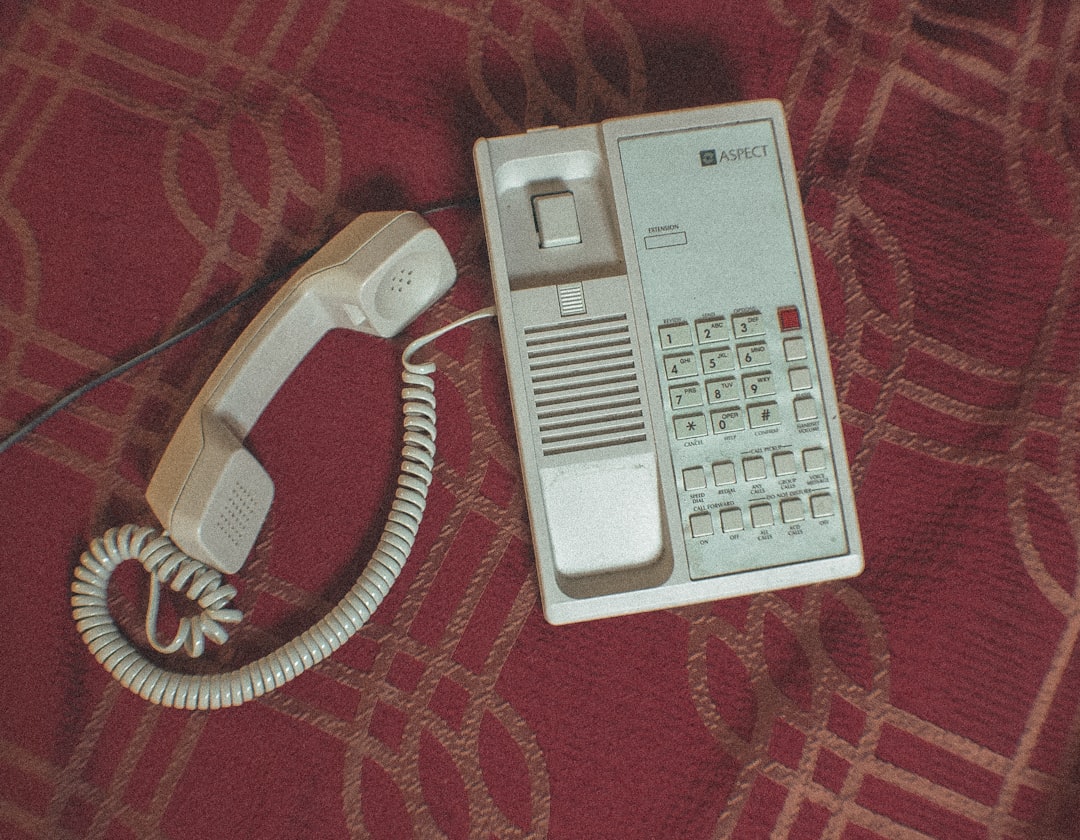
In Houston and Texas, robocalls are a growing problem, driven by telemarketing scams and unwanted advertising. Consumers have rights under state and federal laws, notably the Telephone Consumer Protection Act (TCPA), which requires prior consent for automated calls. They can file complaints with regulatory bodies like the Federal Trade Commission (FTC) and sue for damages if their rights are violated. Key steps include documenting calls and reporting them to agencies such as the Texas Utilities Commission (TUC) or FCC. Law firms specializing in TCPA cases offer free consultations, enabling consumers to potentially seek compensation of up to $500 per violation through individual or class-action lawsuits, thereby holding offenders accountable and enhancing consumer protections. Can I Sue For Robocalls Texas? Yes, under the TCPA.
Robocalls remain a pervasive and often harassing issue for consumers across the United States, including Houston. These automated phone calls, while sometimes legitimate, can be used by unscrupulous entities to engage in fraud, identity theft, and other illegal activities. In Texas, consumers have specific rights and may even be able to Can I Sue For Robocalls if they’ve been targeted by these nuisance calls. Given the complexity of existing laws and the evolving nature of robocall technology, it’s crucial to understand how to effectively advocate for stronger consumer protections. This article provides a comprehensive guide on navigating this issue, empowering Houston residents to protect themselves and their communities.
Understanding Robocalls and Consumer Rights in Texas

Robocalls, automated phone calls designed to deliver recorded messages en masse, have become a pervasive issue nationwide, including Houston. While many robocalls promote legitimate services or products, an increasing number fall into the category of telemarketing scams and unwanted advertising. These calls can be particularly aggressive in Texas, where consumers face unique challenges navigating their rights and protections. Understanding both the nature of these calls and your rights is essential to advocating for stronger consumer protections.
In Texas, consumers have certain rights regarding robocalls under state and federal laws. The Telephone Consumer Protection Act (TCPA) restricts telemarketers’ ability to make automated calls without prior express consent. This means that businesses or individuals attempting to market their products or services via robocalls must obtain your explicit permission first. If you receive a robocall in Texas, you have the right to file a complaint with the Federal Trade Commission (FTC) and seek legal action if you believe your rights have been violated. The TCPA allows for individual consumers to sue for damages, including monetary compensation, if they can demonstrate that their consent was not obtained or that the calls were made using an automatic dialing system.
Houston’s large population makes it a prime target for robocallers, who often exploit loopholes and leverage advanced technology to evade current regulations. Consumers may find themselves deluged with unsolicited calls promoting everything from financial services to health supplements. While blocking these calls is a common first step, it’s also crucial to be aware of your rights and the legal avenues available to hold offenders accountable. By understanding how robocalls operate and the specific protections offered under Texas law, consumers can actively participate in shaping a more consumer-friendly environment.
Navigating Legal Options Against Robocallers
In Houston, as across the nation, consumers face a growing problem with robocalls, which can range from annoying to illegal. Navigating legal options against robocallers requires understanding both state and federal regulations. Texas law, for instance, prohibits telemarketers from making robocalls without prior express consent, underscoring the need for robust consumer protections. Can I sue for robocalls in Texas? Absolutely. Consumers have rights, and legal avenues exist to hold violators accountable.
One key approach is to document the calls and gather evidence. Save all call records, including timestamps, caller IDs, and any recorded messages. This documentation strengthens a case when considering legal action against robocallers. Additionally, consumers should review their phone bills for unauthorized charges related to these unwanted calls. An expert in consumer protection law can help interpret these laws and advise on the best course of action, which may include contacting the Texas Attorney General’s office or filing a complaint with the Federal Trade Commission (FTC).
Class-action lawsuits are another powerful tool against robocallers. By banding together, consumers can amass significant legal clout to demand compensation for their suffering and to deter future violations. Legal experts in this field recommend staying informed about any ongoing class-action suits related to robocalls and joining if eligible. For instance, a recent settlement involving a major telemarketing company awarded affected consumers substantial monetary damages and restricted the company’s practices. These legal victories not only provide financial redress but also send a strong message that illegal robocalls will not be tolerated.
Ultimately, advocating for consumer protections requires collective action and knowledgeable representation. Consumers in Houston should not hesitate to seek legal counsel when faced with relentless robocalls. By pursuing legitimate legal options, they can contribute to a more regulated and less intrusive telecommunications landscape, ensuring that their rights as consumers are respected.
Documenting and Reporting Unwanted Calls Effectively

In Houston, as across the nation, unwanted robocalls have reached epidemic levels, posing a significant nuisance to consumers. Effectively documenting and reporting these calls is a crucial step in advocating for stronger consumer protections. The first step in combating robocallers is to keep a detailed record of each call, including the caller’s phone number, the date and time of the call, and any specific messages or offers made. Advanced call-blocking apps or automated recording devices can aid in this process by capturing vital data that can be used as evidence later.
Once you’ve documented a robocall, reporting it to the appropriate authorities becomes paramount. In Texas, the Texas Utilities Commission (TUC) and the Federal Communications Commission (FCC) offer channels for consumers to file complaints about nuisance calls. Detailed documentation is essential when submitting a complaint, as it enables regulators to trace patterns and take targeted action against violators. For instance, in 2022, the FCC received over 34 million robocall complaints nationwide, demonstrating the urgency and magnitude of the issue.
Moreover, understanding your legal options is vital. Texas law provides certain protections against robocalls, including the right to sue for damages under the Telephone Consumer Protection Act (TCPA). If a consumer can demonstrate that they received a robocall without prior consent, they may be eligible for statutory damages of up to $500 per call. The TCPA also empowers courts to award treble damages in cases where callers willfully or negligently violate its provisions. To strengthen your case, maintain a log of all communication with call blockers or service providers used to combat robocalls. This evidence can serve as a compelling argument when pursuing legal action against perpetrators, ensuring that Houston consumers are not only protected but also compensated for their disrupted lives.
Can I Sue For Robocalls Texas? A Comprehensive Guide

In Houston, as across Texas, robocalls have become an increasingly prevalent nuisance, leading many consumers to wonder if they can sue for robocalls. The short answer is yes—residents of Texas do have legal recourse against unwanted automated calls. The Telephone Consumer Protection Act (TCPA) provides robust protections against prerecorded and artificial messages, allowing individuals to take legal action when their rights are violated. This federal law prohibits companies from making such calls without prior express consent, ensuring consumers’ peace of mind.
To sue for robocalls in Texas, one must first establish that the call was unsolicited and that it violated the TCPA. Evidence of such violations can include records of the calls, recordings, or any communication indicating a lack of consent. Once this is established, individuals can file a private lawsuit seeking damages of up to $500 for each violation—a significant incentive for those affected. The TCPA also allows for collective actions, where a group of consumers can band together to sue, potentially resulting in much larger compensation.
While the process may seem daunting, many law firms specialize in handling TCPA cases and offer free consultations. These experts can guide you through the legal framework, ensuring your rights are protected. It’s crucial to act promptly as there are strict time limits for filing claims—usually within a year of the violation. By taking proactive steps and consulting with legal professionals, Houston residents can effectively defend themselves against robocalls and set a precedent for stronger consumer protections in Texas.