
Texas has stringent robocall regulations, including prior consent requirements and opt-out options. Despite these measures, consumers still struggle to stop unwanted calls. The Texas Attorney General's Office educates citizens about their rights and encourages reporting. Legal action under state law and the Telephone Consumer Protection Act (TCPA) is available, with potential monetary compensation for violations. Can I Sue For Robocalls Texas? Yes, residents can fight back with the right evidence.
Robocalls, automated telephone calls designed to reach a wide audience, have become a ubiquitous—and often unwelcome—feature of modern communication. With millions of Americans receiving unwanted calls daily, Texas stands out as a critical battleground in the fight against robocall abuse. This article delves into the future of robocalls, examining current trends and exploring potential solutions. We'll discuss regulatory efforts, technological advancements, and their implications on consumers' rights, including Can I Sue For Robocalls Texas? By providing insightful analysis, we aim to empower individuals with knowledge to navigate this complex landscape and protect their privacy in an ever-evolving digital age.
Understanding Robocall Regulations in Texas

Texas has been at the forefront of addressing the growing issue of robocalls, implementing stringent regulations to protect consumers from unwanted and deceptive calls. The state's approach offers valuable insights into the future of robocall management and provides clarity on when and how individuals can take legal action, such as considering Can I Sue For Robocalls Texas.
The Texas Attorney General's Office has taken a proactive stance by establishing clear guidelines for telemarketers and robocallers operating within the state. One key regulation prohibits automated calls from using pre-recorded messages unless the caller obtains prior explicit consent from the recipient. This rule aims to reduce the number of unsolicited calls, especially those promoting dubious products or services. Furthermore, Texas law demands that robocallers provide a way for recipients to opt-out of future calls immediately and effortlessly. Failure to comply can lead to significant penalties, including legal action and monetary fines.
Despite these measures, consumers still face challenges in identifying and stopping unwanted robocalls. Herein lies the importance of public awareness and education. The Texas AG's office regularly disseminates information campaigns to teach citizens about their rights and available tools to combat robocalls. One effective strategy is to report suspected fraudulent or nuisance calls to the Attorney General's office, which can then take appropriate action. By empowering consumers with knowledge, Texas strives to foster a robust environment where robocallers must adhere to strict regulations.
In addition to regulatory measures, Texas courts have been increasingly receptive to consumer lawsuits against companies engaging in abusive robocalling practices. When callers violate state laws, individuals may pursue legal recourse, seeking damages and injunctive relief. This has set a precedent that Can I Sue For Robocalls Texas is not just theoretical but a viable option for those affected by nuisance calls. As the battle against robocalls continues, Texas' regulatory framework and judicial support serve as models for other states, underscoring the importance of consumer protection in the digital age.
Your Rights and Robocalls: What to Know
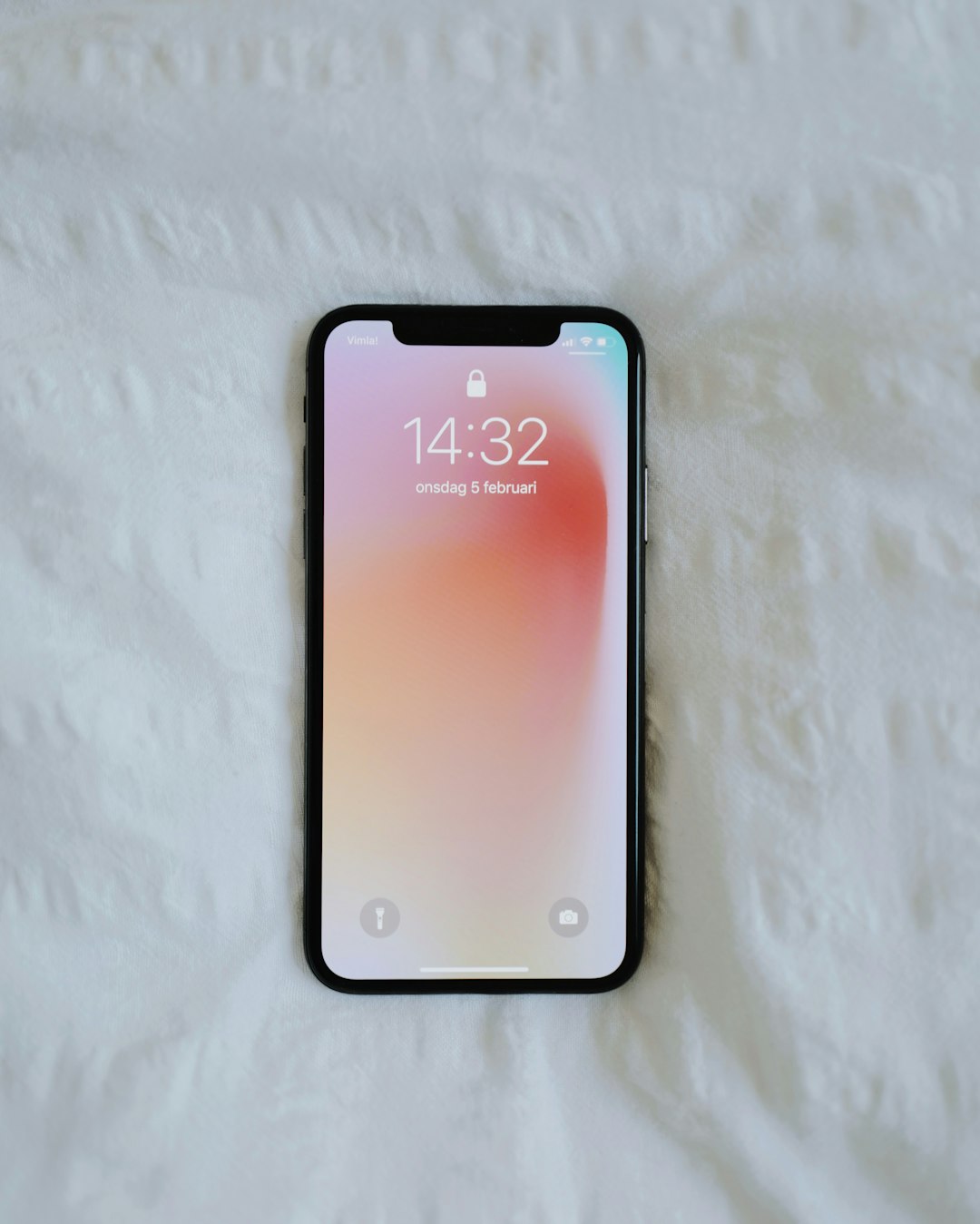
In Texas, as across the nation, robocalls have become a pervasive and often annoying aspect of daily life. While many robocalls are for legitimate purposes like political campaigns or sales promotions, others can be illegal or deceptive. The sheer volume—an estimated 40 billion robocalls were made in the U.S. last year—has led to heightened consumer concern about their privacy and rights. Understanding your rights regarding robocalls is crucial in navigating this modern communication landscape.
Texas law offers protections for consumers against certain types of robocalls. The Texas Business and Commerce Code prohibits automated telephone systems from calling a person's phone number if the caller has not obtained prior express consent. This includes calls from telemarketers, political organizations, and debt collectors. If you receive a robocall in Texas without having given permission, you may have legal recourse. For instance, if a company continues to call despite your clear request to stop (known as "do not call" requests), you can file a complaint with the Federal Trade Commission (FTC) or take legal action under Texas state law.
While legal actions like filing complaints with regulatory bodies are important for addressing abusive robocall practices, another powerful tool is taking direct action against the callers themselves. In Texas, if a robocall violates your rights, you may be able to sue for damages. The FTC and state attorney generals often pursue litigation against companies engaging in unlawful telemarketing practices, which can result in substantial settlements. Additionally, some states have passed laws that allow consumers to seek individual damages for unwanted robocalls. This not only compensates victims but also serves as a deterrent to future illegal calls. Staying informed about your rights and actively participating in regulatory processes are essential steps in the ongoing battle against problematic robocalls.
Stopping Robocalls: Legal Recourse in Texas

In Texas, as across the nation, robocalls have become a pervasive nuisance, with millions of unwanted calls flooding residents' phones daily. While many strategies focus on preventing and blocking these automated messages, understanding legal recourse is essential for those harmed by deceptive or illegal robocalls. Texas offers several avenues for individuals to take action against violators, providing a robust framework to combat the problem.
One powerful tool available to Texans is the Telephone Consumer Protection Act (TCPA), a federal law designed to curb abusive phone practices. The TCPA allows individuals to sue for damages if they receive unsolicited calls using an automatic dialing system or prerecorded messages, commonly known as robocalls. Successful plaintiffs can recover monetary compensation for each violation, making it a significant disincentive for call centers engaging in such activities. Furthermore, the Texas Attorney General's Office actively enforces the state's laws against fraudulent or harassing phone calls, enabling them to take legal action against companies and individuals who violate consumer rights.
For those considering legal action regarding robocalls, gathering evidence is crucial. Documentation of the calls, including timestamps, call content, and any recorded interactions, can be compelling proof. Additionally, reviewing call records from your phone service provider may reveal patterns of unauthorized or abusive calling. While the process of suing for robocalls Texas-style requires careful navigation through legal procedures, the potential for recourse offers hope in the ongoing battle against unwanted and deceptive phone calls.